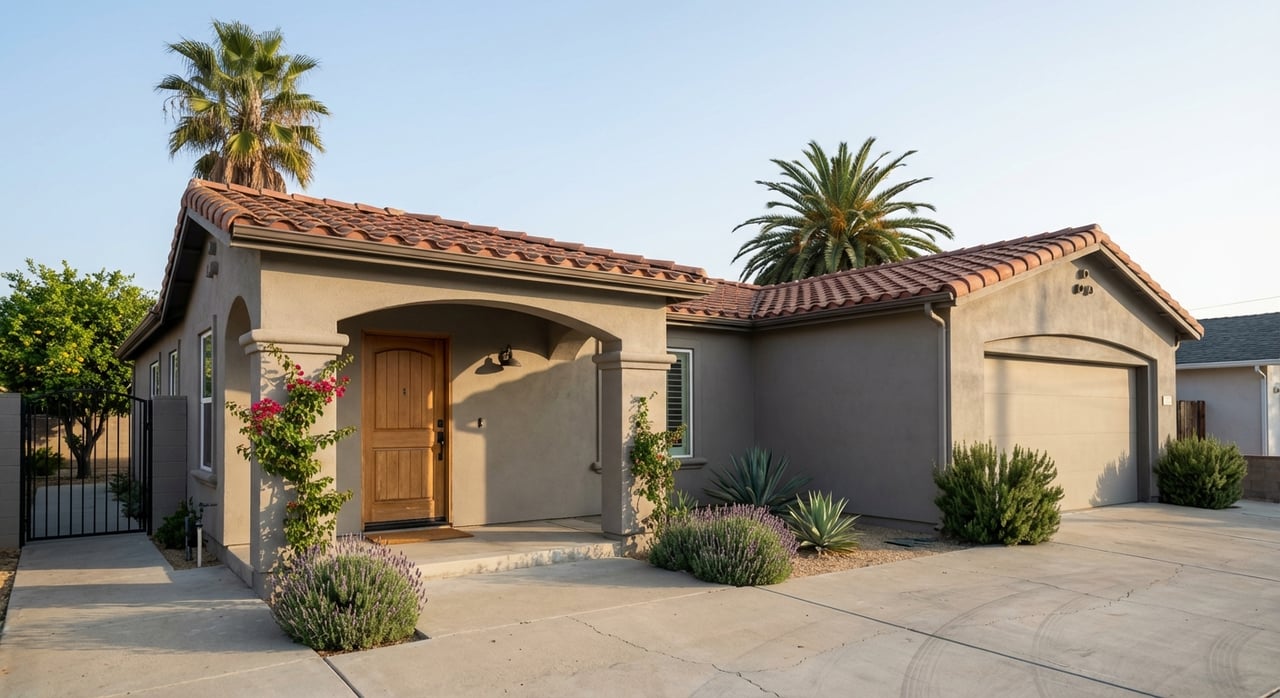
Thinking about listing your Central Simi Valley home “as-is”? You are not alone. Many sellers want to skip repairs, shorten timelines, and reduce stress. But in California, “as-is” has a very specific meaning that still requires you to disclose what you know about your property. In this guide, you will learn what “as-is” really covers, which disclosures you still must provide, who typically buys as-is, how pricing and repair choices work, and the simple steps to sell with confidence. Let’s dive in.
What “as-is” really means in California
Selling “as-is” means you are telling buyers you will not make repairs or improvements before closing. It sets expectations on condition and helps reduce back-and-forth on repair requests. It does not let you hide or gloss over problems.
Under California law, an “as-is” clause does not remove your duty to disclose known material facts about the property. You still need to complete the statutory Transfer Disclosure Statement (TDS) honestly and in full. Courts can hold a seller liable if they conceal or misrepresent known issues, even in an “as-is” deal. See California Civil Code guidance on residential disclosures for the statutory framework behind these duties. California Civil Code §1102.1
Bottom line: An “as-is” term limits repair obligations, not disclosure obligations. If you know of problems, you must disclose them.
Disclosures you still must provide
Even when you sell “as-is,” several key disclosures and documents still apply in Central Simi Valley.
Transfer Disclosure Statement (TDS)
Most 1–4 unit residential sellers must complete and deliver the TDS. It asks about the property’s systems, components, and known issues. Delivery of the TDS cannot be waived by an “as-is” agreement. California Civil Code §1102.1
Natural Hazard Disclosure (NHD)
You and your agent must disclose whether the home lies in mapped hazard zones, such as flood, earthquake fault/seismic hazard, state fire responsibility area, very high fire hazard severity zone, or dam inundation. Timing matters, since late delivery can give a buyer cancellation rights. Learn how the NHD works and why early delivery is smart. Natural Hazard Disclosure overview
Lead-based paint for pre-1978 homes
If your home was built before 1978, federal law requires you to disclose known lead-based paint information, provide the EPA/HUD pamphlet, and give buyers an opportunity to inspect for lead hazards. This applies even in “as-is” sales. Lead-Based Paint Disclosure Rule (Title X)
Termite/pest (WDIR) and lender requirements
While “as-is” limits your repair promises, a buyer’s lender may still require a wood-destroying organism report or clearance. VA and FHA loans often do. Cash buyers can be more flexible. Always confirm what the buyer’s financing requires. What lenders often require for WDIR
Fire defensible space (AB-38) in Ventura County
If your parcel is in a High or Very High Fire Hazard Severity Zone, California’s AB-38 rules may require a defensible-space inspection and documentation before closing, or a written agreement with the buyer to complete it shortly after. CAL FIRE mapping updates in 2024–2025 expanded some hazard zones, so check your parcel’s status early. Ventura County provides seller guidance and inspection request details. Ventura County Fire AB-38 guidance
Taxes, assessments, HOA, and transfer fees
If the property is part of an HOA, Mello-Roos district, or special assessment area, or if there are transfer fees, those items must be disclosed. These charges affect a buyer’s costs and decisions. Review your tax bill, HOA docs, and preliminary title report so you can disclose clearly.
Central Simi Valley market context
Local market conditions help set expectations for pricing and time to close. As of December 2025, Simi Valley’s median listing price sat near $849,000 with typical days on market around 69 days (Realtor.com, Dec 2025). Use this as broad context for traditional listings, then compare it with your house’s specific condition, updates, and location within Central Simi.
Markets change with the season and interest rates, so your property could sell faster or slower than average. An “as-is” listing often trades some price for speed and certainty, especially if repairs are significant.
Who buys as-is and how that affects your net
Different buyer types approach “as-is” in different ways. Knowing the likely tradeoffs helps you choose your path.
Traditional financed buyers
These buyers expect inspections and may still ask for credits after inspections, even when you say “as-is.” They usually follow a 30 to 45 day loan timeline. If the home needs major work, they may struggle to obtain financing or offer deeper credits.
Investors and flippers
Investors bake repairs, holding costs, and profit into their offers. A common rule of thumb is the “70 percent rule,” which sets a maximum purchase price around 70 percent of the after-repair value, minus estimated repairs. For example, if an investor views ARV near $850,000 and repairs at $50,000, the math caps an offer at roughly 0.70 × $850,000 = $595,000, then minus $50,000, or about $545,000. This is only an illustration, but it shows why cash offers can land well below list prices. How the 70 percent rule works
Wholesalers
A wholesaler puts your home under contract and assigns the deal to an investor. It can be fast, but the net to you is often among the lowest. Always verify the buyer’s ability to close and the size of the earnest money deposit.
iBuyers
Companies that buy directly at scale can offer speed and convenience. They often price closer to market value but charge a service fee and still deduct for repairs after a condition assessment. Your net can trail a well-marketed MLS sale, but for many sellers the certainty is worth it. Inside the iBuyer assessment and fee model
All-cash buyers
Private cash buyers are often the fastest and most flexible. Timelines can be a matter of days, and they typically take the property as-is. Nationally, the share of all-cash purchases has been elevated in recent reporting, which shows more deals bypassing lender requirements. Recent context on cash sales
Price vs. repair: a simple decision framework
You control two big levers: fix the house before listing, or price it to reflect condition and sell as-is. The right choice depends on cost and scope of repairs, likely return on those fixes, local demand, and your timeline.
- Prioritize small, high-ROI updates when time and budget allow. Industry reporting shows projects like fresh interior paint, minor kitchen and bath refreshes, and entry or garage door replacements often recoup well at resale.
- Be cautious with major remodels if your only goal is to sell now. Large, high-cost projects often do not return 100 percent of the spend at sale.
If you have time for light work, a few targeted updates can lift your price without pushing your timeline too far. If your home needs heavy repairs, pricing to reflect condition or selling directly to a cash buyer may be more efficient. Cost vs. value insights on smart updates
A practical way to choose your path
Before you commit, line up three quick data points and compare net proceeds, timeline, and stress level:
- A local comparative market analysis and estimated net sheet from a listing agent.
- One or two written investor cash offers, each with proof of funds and a clear timeline.
- An iBuyer estimate if available for your property type and location.
Set these side by side with honest repair estimates. Your best path should become clear.
Risks to watch in California “as-is” sales
- Disclosure liability. If you fail to disclose known material facts and a buyer later discovers them, you can face damages even with an “as-is” clause. Complete the TDS and other forms thoroughly and honestly. Statutory basis for disclosure duties
- Timing of disclosures. Deliver the TDS and NHD early. Late disclosure can create statutory cancellation rights for buyers, which can delay or derail your sale. NHD timing and use
- AB-38 and fire-hazard compliance. If your Central Simi Valley property is in a mapped fire hazard zone, plan for defensible-space documentation or a written agreement with the buyer. Build this into your timeline. Ventura County AB-38 process
Central Simi Valley as-is seller checklist
- Define your goal. Speed, certainty, or top dollar. Be clear on what matters most.
- Gather property facts. Pull permits, HOA docs, tax bills, and any past inspection or repair records.
- Complete the TDS early. Be thorough and honest so buyers have confidence.
- Order the NHD report early. Know if your parcel sits in any mapped hazard zones and prepare buyer-ready summaries. How the NHD works
- Check AB-38 requirements. If in a High or Very High FHSZ, schedule defensible-space steps or plan a written buyer agreement. Ventura County AB-38 guidance
- Confirm buyer financing type. If you expect financed offers, plan for possible WDIR reports or lender-driven repairs. WDIR and lender practices
- Decide on repairs. Tackle easy, high-ROI touch-ups if time allows; otherwise, price for condition. Cost vs. value snapshot
- Compare sale paths. Traditional listing, investor cash sale, iBuyer estimate. Weigh net, timing, and stress.
- Verify buyer strength. Require proof of funds, a solid earnest money deposit, and clear deadlines.
Need speed and certainty?
If you want a fast, low-stress sale, a direct cash offer can help you move on your timeline. Coko’s team makes competitive cash offers within 24 hours, purchases homes as-is with no repairs or fees, and closes on your schedule. If that sounds right for you, reach out for a no-pressure conversation and a clear offer you can count on.
Ready to see your options? Connect with Coko Acquistions to get a fast, straightforward cash offer today.
FAQs
What does “as-is” mean in a California home sale?
- It means you are not agreeing to make repairs before closing, but you still must truthfully disclose known material facts and complete required forms like the TDS.
Do I still need TDS, NHD, and lead disclosures if I sell as-is in Simi Valley?
- Yes; the TDS and NHD are required for most residential sales, and pre-1978 homes must follow federal lead-based paint rules even in an “as-is” sale.
How does AB-38 defensible space affect an as-is sale in Ventura County?
- If your parcel is in a High or Very High Fire Hazard Severity Zone, you may need defensible-space documentation before close or a written agreement for post-close compliance.
Why are investor cash offers often lower than list price?
- Investors factor repairs, holding costs, and profit into offers using rules of thumb like the 70 percent rule, which typically produces a lower but faster, more certain deal.
Will a lender require a termite report if I sell as-is to a financed buyer?
- Possibly; VA, FHA, and some conventional loans may require a WDIR or clearance, while cash buyers are generally more flexible.
How long does an as-is sale take in Central Simi Valley?
- A financed sale often takes 30 to 45 days, while a well-prepared cash sale can close in days or a few weeks, depending on paperwork and your move-out timing.