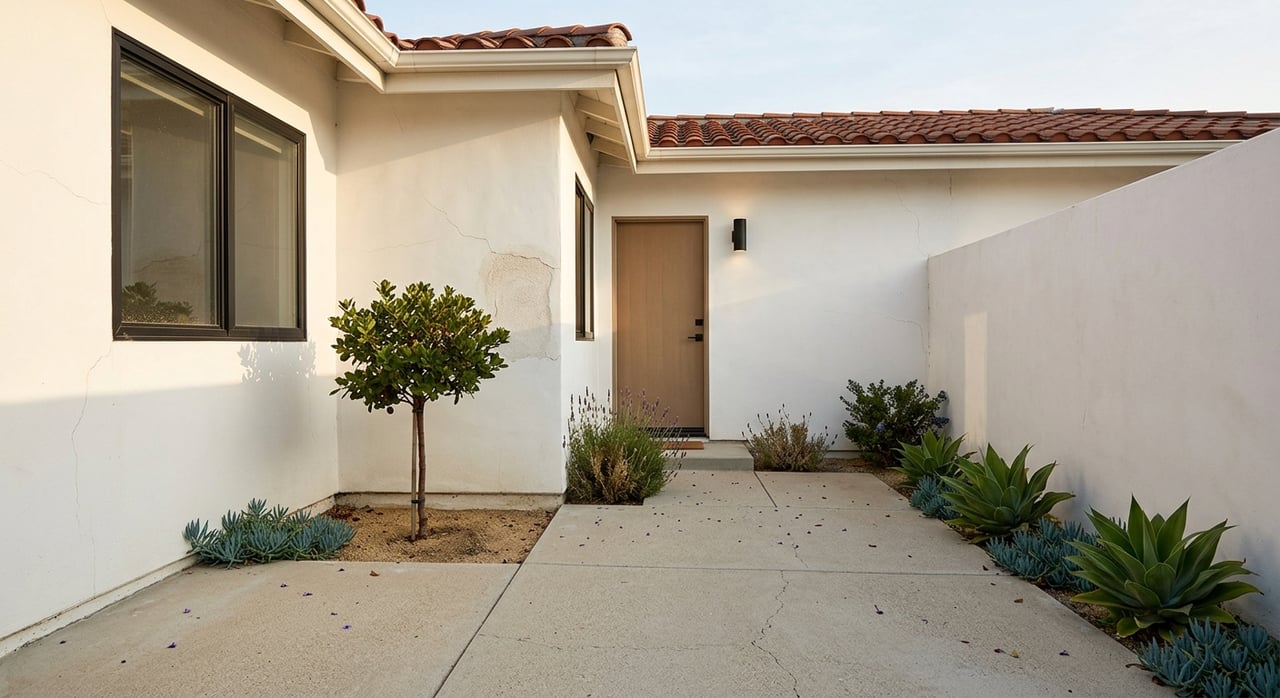
If your house in Central Simi Valley needs work, you may be wondering whether you have to pour more money into it before you sell. The good news is that you usually do not. In a market where many homes are older and buyers are still active, a fixer can sell without a full renovation, but your strategy matters. This guide will help you understand what “as-is” really means in California, what buyers will expect, and how to choose the path that fits your timeline and stress level. Let’s dive in.
Why fixers still sell in Central Simi Valley
Central Simi Valley has a large share of single-family homes, and much of the housing stock dates back to the 1960s. That means deferred maintenance is not unusual here. Buyers shopping in the area are often looking at homes with varying levels of updates, so an older property is not automatically a deal breaker.
Recent market snapshots also show steady buyer activity. Reported median prices in early 2026 were roughly in the low-to-mid $800,000s, with median list prices around $840,000 and homes averaging about 37 to 38 days on market. For you, that means a fixer can still attract interest, but buyers will factor in repair costs, risk, and the time needed to finish the work.
What “as-is” means in California
Selling a home as-is does not mean you can skip disclosures. In California, most single-family residential sales are still subject to disclosure rules under Civil Code Section 1102. Even if you do not plan to make repairs, you still need to disclose known material issues.
The Transfer Disclosure Statement, or TDS, is a disclosure of the property's condition. It is not a warranty, and it does not replace inspections. California guidance also says agents involved in the sale must complete a reasonably competent visual inspection and disclose material facts that affect value, desirability, or intended use.
That matters if your home has visible wear, old systems, patchwork repairs, or unfinished work. Being upfront does not eliminate buyer concerns, but it can reduce surprises later in escrow.
Disclosures that may matter for older homes
Many homes in Simi Valley were built before 1978, which can trigger lead-based paint disclosure rules. If your property falls into that category, known lead information must be disclosed, and buyers must be given an opportunity to inspect for lead hazards.
Natural hazard disclosures can also come into play depending on the parcel. California requires disclosure if a property is located in certain mapped areas, including flood zones, inundation areas, earthquake fault zones, seismic hazard zones, and some fire hazard zones. If your property is in a high or very high fire hazard severity zone, there may also be defensible-space documentation requirements or a written agreement addressing that documentation.
Because these issues are address-specific, it is important to verify the exact property rather than assume the same rules apply to every home in Central Simi Valley.
Three ways to sell a fixer without renovating
Sell to a cash buyer
A cash sale is often the simplest option when the home has serious deferred maintenance, unclear permit history, or repairs that could be expensive to complete. Cash buyers do not need a mortgage, which usually removes lender-driven repair demands and the appraisal requirement tied to financing.
That can make the process feel more predictable. You still have disclosures, title, and escrow to work through, but there are usually fewer moving parts. If your top priority is speed, certainty, and avoiding repair work, this route is often the cleanest fit.
List the home as-is
You can also put the property on the open market without renovating it. This can make sense if the home is still financeable and you want broader exposure to buyers.
The tradeoff is that buyers will usually want inspections. They may ask for credits instead of repairs, or they may cancel during an inspection contingency if the findings are too much for them. If the buyer is using financing, the lender may also require certain issues to be addressed before closing.
Do only minimal cosmetic work
Some sellers choose a middle path and handle only basic cleanup or cosmetic touch-ups. The goal is to improve first impressions without starting a larger project that costs more than expected.
This approach can help reduce obvious friction, but it should be used carefully. In Simi Valley, construction permits are required before remodeling or adding to an existing building, and the city handles permit compliance through code enforcement. If you rush into electrical, plumbing, roofing, or structural work without proper permits, you may create a bigger problem instead of solving one.
What buyers will notice first
When you sell a fixer, buyers tend to focus on a few major categories right away. In Central Simi Valley, age-related issues are especially common because of the older housing stock.
Here are some of the items most likely to come up in disclosures or inspections:
- Roof condition
- Plumbing issues
- Electrical panels or wiring
- Older windows
- General wear and tear
- Possible lead-paint concerns in pre-1978 homes
- Signs of past repairs or unfinished work
You do not need to fix everything to sell. But you should be prepared for buyers to price these concerns into their offers.
How inspections affect your timeline
Inspections can be one of the biggest reasons an as-is sale takes longer than expected. Buyers often schedule inspections early so they have time to review major issues and decide whether to move forward, ask for credits, or cancel under the contract terms.
In financed deals, there is usually more than one layer to the process. The buyer may order an inspection, and the lender may also require an appraisal. Those are different steps, and both can affect timing.
California disclosure timing can also shape your timeline. The TDS must be delivered as soon as practicable and before transfer of title. If a required disclosure is delivered after an offer or purchase agreement is signed, the buyer may have 3 days to terminate if it was delivered in person or 5 days if delivered by mail.
Permit and hazard issues to check early
If you are selling without renovating, one of the smartest moves is to identify possible red flags before a buyer does. That does not mean you need to fix everything. It means you should understand what could slow down escrow.
Pay close attention to items like:
- Unclear permit history for past additions or remodels
- Recent repairs that may have required permits
- Fire hazard zone status for the parcel
- Defensible-space documentation, if applicable
- Known structural or system issues
These issues do not always stop a sale, but they can change who is willing to buy the property and how quickly the deal can close.
How to choose the best selling path
The right option depends on what matters most to you. If you want the highest market exposure and your home is likely to qualify for financing, listing as-is may be worth considering. If you want to avoid repairs, reduce uncertainty, and move on quickly, a direct cash sale may be the better fit.
A simple way to think about it is this:
| Priority | Best-fit approach |
|---|---|
| Fast sale | Cash buyer |
| Fewer repair demands | Cash buyer |
| Broad buyer exposure | Open market as-is listing |
| Chance to improve presentation only | Minimal cosmetic work |
| Lower risk from lender-required repairs | Cash buyer |
For many repair-heavy homes, the real choice is not whether the house can sell. It is whether you want to deal with inspections, financing conditions, and back-and-forth negotiations along the way.
What to expect from an as-is cash sale
If your main goal is simplicity, an as-is cash sale can remove a lot of the usual friction. You can skip renovations, avoid preparing the home for repeated showings, and often work on a closing timeline that fits your situation.
That can be especially helpful if you are dealing with inheritance, relocation, financial pressure, or a property that has become too much to manage. You still need to make the required disclosures, but you may be able to avoid the repair cycle that often comes with financed buyers.
For Central Simi Valley homeowners, that can be a practical solution when the house needs work and you want a more certain exit.
If you want a straightforward way to sell your fixer without renovating, Coko Acquistions buys houses as-is for cash, with no repairs or fees and flexible closing timelines.
FAQs
Can you sell a fixer as-is in Central Simi Valley?
- Yes. You can sell a fixer as-is in Central Simi Valley, but California law still requires most sellers to provide required disclosures about known property conditions.
Does selling as-is in California mean no disclosures?
- No. Selling as-is does not waive disclosure obligations. Most single-family home sales still require disclosures such as the Transfer Disclosure Statement.
Will buyers still inspect an as-is home in Central Simi Valley?
- Usually, yes. Buyers often order inspections on as-is homes and may ask for credits, renegotiate, or cancel if their contingency allows it.
Can a lender require repairs on an as-is sale in California?
- Yes. If the buyer is using financing, the lender may require certain repairs or conditions to be addressed before closing.
Do older Central Simi Valley homes need lead-paint disclosure?
- If the home was built before 1978, federal lead-based paint disclosure rules generally apply, including disclosure of known information and an opportunity for the buyer to inspect.
Should you renovate before selling a fixer in Central Simi Valley?
- Not always. If your goal is speed and low stress, selling as-is may make more sense than taking on repairs, especially if the property has major deferred maintenance or permit concerns.